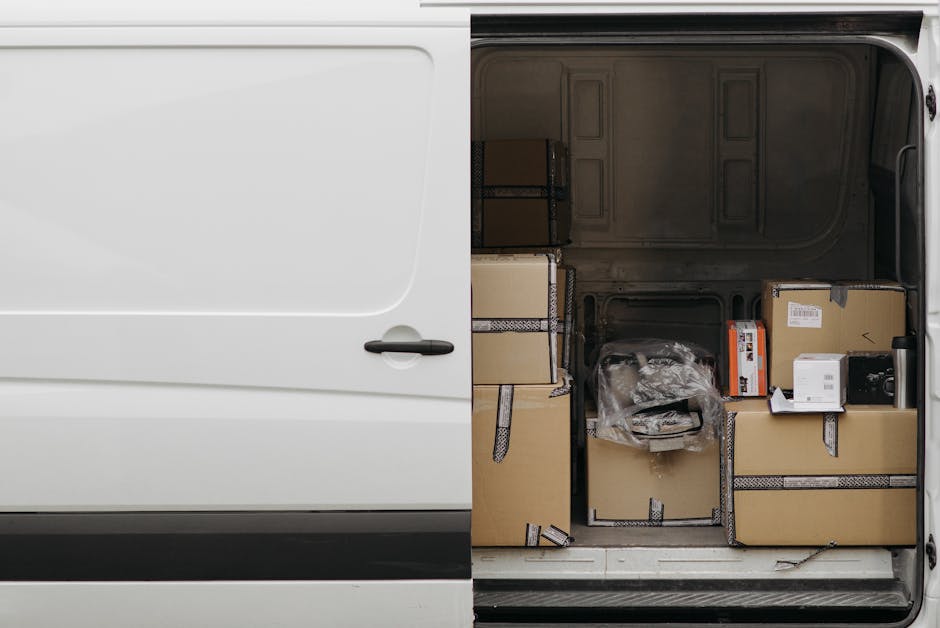
Loading bay fines and removal van rules Knightsbridge SW1X: what you need to know before moving
If you are planning a move in Knightsbridge, the phrase Loading bay fines and removal van rules Knightsbridge SW1X probably lands with a bit of a thud. And fair enough. One wrong stop, one overlong wait, one bit of paperwork missed, and a straightforward move can become a very expensive day out. In this part of London, space is tight, access is controlled, and loading bays are often treated as precious real estate.
This guide breaks down how loading bay access usually works, why fines happen, what removal van drivers and customers should check before moving day, and how to reduce the risk of delays. It is written for real people, not legal textbooks. So if you are moving a flat, clearing an office, or coordinating a family home move, you will find practical steps you can use straight away.
Expert summary: In Knightsbridge, the biggest risk is rarely the actual loading itself. It is the small stuff around it: timing, permits, vehicle size, bay restrictions, congestion, and communication. Get those right and the rest feels much calmer.
Why Loading bay fines and removal van rules Knightsbridge SW1X matters
Knightsbridge is not the kind of place where you can just pull over and hope for the best. Streets are busy, pavements are narrow, and loading areas often sit within tightly managed parking controls. For removals, that means a van might need to arrive at a specific time, stay only for a limited period, and use a loading bay in a very precise way.
Why does this matter so much? Because fines and enforcement actions can quickly disrupt the move itself. A driver stuck searching for a lawful stopping place may lose valuable time. A client waiting for furniture or boxes may end up paying for extra labour. And if the van is too large, too late, or in the wrong bay, you can end up with a penalty that was completely avoidable.
There is also the stress factor. Let's face it, moving is already one of those days when the kettle is somewhere in a box and nobody knows where the tape has gone. Add a parking dispute to the mix and the mood can turn sour fast. Good loading bay planning is not about being fussy. It is about protecting the schedule, the budget, and everyone's nerves.
For local residents and businesses, the issue goes beyond a single move. Repeated non-compliance can create friction with neighbours, building managers, concierge teams, or even landlords. In a high-density area, that can matter as much as the fine itself.
How Loading bay fines and removal van rules Knightsbridge SW1X works
Although every street and building can differ, the process usually follows the same practical logic: the removal van must stop legally, load efficiently, and leave within the permitted time. That sounds simple. In reality, it takes a bit of coordination.
First, you need to understand whether the location has a marked loading bay, a suspended bay, a shared servicing area, or a time-restricted kerbside space. Some buildings also have their own private access arrangements. A concierge may need advance notice. A managing agent may require vehicle registration details. And for some addresses, the van may need to approach from a specific direction to avoid blocking traffic or causing access problems.
Second, the driver needs to stay within whatever rules apply to the bay. That can include time limits, loading-only conditions, vehicle class restrictions, and a requirement for active loading or unloading. In other words, it is not enough to simply park there and wander off for a coffee. Enforcement officers typically look for genuine loading activity, not a vehicle resting between errands.
Third, timing is critical. In busy parts of SW1X, traffic can change quickly. A van that is ten minutes late may miss a booking window or clash with a bay restriction period. That is why experienced removal van crews plan the route, arrival time, and unloading sequence as one unit rather than separate tasks.
If your move involves a larger team, a full removals service can often coordinate the loading plan more smoothly than trying to improvise on the day. For smaller jobs, a local man with van arrangement may be enough, but only if the access conditions are properly checked first.
One more thing. Bay rules are not just about the vehicle. They are also about what happens around the vehicle: lift access, porterage, hand-carry distance, stairs, and whether items can be staged near the door. A move that looks quick on paper can be slow on the pavement. That is where fines and delays start to stack up.
Key benefits and practical advantages
Following loading bay rules carefully does more than keep you out of trouble. It improves the whole move.
- Fewer penalties: Obvious, yes, but still the biggest win. A compliant stop is much less likely to trigger a loading bay fine.
- Better time control: When the van can load without interruption, the move usually stays closer to schedule.
- Less manual lifting: The closer the vehicle can get, the less carrying time and physical strain for the crew.
- Lower risk of damage: Shorter carries and cleaner access routes reduce the chance of bumps, scratches, or dropped items.
- Less neighbour friction: A tidy, well-managed loading process is far less annoying for residents, porters, and nearby drivers.
- More accurate quotes: If access is clear in advance, pricing for labour and vehicle time is more realistic.
There is also a calmer decision-making advantage. When you know where the van can stop, who needs to be notified, and how long the window is likely to be, you are much less likely to make last-minute choices that cost more later. That is especially useful for larger properties, mews homes, and office buildings where access can be a little awkward, to put it politely.
If you are comparing service types, a local move may work well with a flexible man and van setup, while a bigger household might benefit from a full house removals service with stronger planning around access, carry distance, and parking.
Who this is for and when it makes sense
This guidance is useful for anyone moving in Knightsbridge SW1X, but it becomes especially important in a few common scenarios.
- Flat movers: Residents in apartment buildings often face tight curb access, concierge rules, or lift booking requirements. A well-timed bay stop makes a huge difference. If that sounds like your situation, flat removals planning is usually worth prioritising.
- Household moves: Larger homes can generate more items, longer loading times, and more risk of over-running a parking window. A home moves approach is often the right fit here.
- Office or commercial relocations: Business moves tend to involve stricter access rules, building management checks, and tighter time slots. In those cases, commercial moves planning is more or less non-negotiable.
- Students and short-term renters: Smaller moves still need the same parking awareness. A tiny load does not magically remove loading restrictions.
- People using storage: If you are splitting the move across dates or moving out into temporary storage, you may have more than one vehicle visit to coordinate. That can change the parking plan quite a bit, so storage can be part of a sensible staged strategy.
It also makes sense whenever the route is awkward, the building has concierge control, or there is any chance the van might need to wait. If you are unsure, assume access will be tighter than you expect. In Knightsbridge, that is usually the safer assumption.
Step-by-step guidance
Here is a practical way to handle loading bay planning without getting lost in the detail.
- Confirm the exact address and access point. Don't rely on memory. Check which entrance the van should use and whether there is a service road, rear entrance, or dedicated loading area.
- Ask what parking controls apply. Find out whether the bay is shared, time-limited, permit-based, or reserved for specific building users.
- Check vehicle size early. A small van may fit where a larger truck cannot. That simple detail can decide the whole plan.
- Book a realistic time window. In a place like Knightsbridge, moving jobs rarely go perfectly to the minute. Build in a buffer.
- Notify the building or concierge. If there is one, let them know the arrival time, vehicle details, and contact number.
- Prepare items before the van arrives. Boxes by the door, furniture labelled, and fragile items wrapped. It sounds obvious. It saves ages.
- Load actively and continuously. If the van is in a loading bay, make sure the team is genuinely loading, not pausing for long breaks.
- Keep proof and records where sensible. Notes, booking confirmations, and any building instructions can be useful if there is a question later.
For some moves, especially when stair access or parking is awkward, a crew with packing and boxes support can speed the job along. A well-packed load is much easier to move quickly, and speed matters when your bay window is small.
If your move is time-sensitive or last-minute, you may also want to look at same day removals, but only if the access rules are properly checked first. Same day is helpful. Same day and no parking plan, not so much.
Expert tips for better results
In our experience, the moves that go well are usually the ones where someone has thought one step ahead. Not ten steps. Just one. That is enough.
Tip 1: treat the loading bay as part of the booking, not an afterthought. Many people book the van first and think about access later. By then, you are already playing catch-up.
Tip 2: keep the load sequence simple. Put the items you need first near the exit. If the first ten minutes are spent searching for keys, lamps, and a kettle, the bay time gets eaten fast.
Tip 3: avoid split attention. One person should be responsible for the access plan. Too many people giving half-updates can muddle the instructions. Moving day already has enough voices.
Tip 4: allow for the human factor. Traffic, lift delays, a missing item, a concierge stepping away for a minute - these things happen. Build in a bit of slack where you can.
Tip 5: think about unloading in reverse. If you know which items need to come off first, you can plan the bay stop more efficiently and avoid long holds on the curb.
For larger or more delicate items, the right equipment matters too. A piano removals job, for example, is not something you squeeze into a vague parking arrangement and hope for the best. Weight, manoeuvring space, and timing all need more care than usual.
Common mistakes to avoid
A lot of loading bay problems are predictable. That is the frustrating part. The good news is that predictable mistakes are the easiest ones to prevent.
- Assuming any van can stop anywhere: It cannot. Vehicle class, location, and time restrictions all matter.
- Turning up without checking access: A beautiful plan on paper means very little if the van cannot physically get to the right spot.
- Underestimating the load time: One sofa is one sofa. A whole flat's contents is another story.
- Leaving the van unattended: In some circumstances, that can cause issues even if the stop is only temporary.
- Forgetting building rules: Some properties require booking a lift, using protective mats, or protecting common areas.
- Choosing the wrong vehicle: Too small and you need multiple trips. Too large and you may not fit the bay or street layout.
- Not briefing the team: Everyone should know the access point, the time limit, and the loading sequence before arriving.
One small but common error is assuming that a quiet-looking street means relaxed enforcement. Sometimes it does, sometimes it really does not. The bay itself, not the general vibe, is what matters. A bit annoying, but there it is.
Tools, resources and recommendations
You do not need a mountain of equipment to manage loading bay rules well. What you do need is a tidy, practical setup.
- Booking notes: Keep the moving date, time, access point, and contact details in one place.
- Vehicle details: Make sure the driver knows the registration, size, and any restrictions on the route.
- Floor plans or room notes: Particularly helpful for office and larger home moves.
- Protective materials: Blankets, covers, and floor protection reduce damage during a rushed loading window.
- Labelling system: Simple labels help the team identify priority items quickly.
- Communication plan: Agree who will speak to the building contact, the driver, and the customer if anything changes.
If you want to understand the service side better, it can help to review a provider's terms and conditions, especially where access delays, waiting time, and service scope are concerned. Likewise, a clear pricing and quotes page is useful because it tells you how the business handles variable job conditions. That kind of clarity is comforting, honestly.
For peace of mind, it is also worth checking insurance and safety information and the company's health and safety policy. Moving in a tight London setting can involve awkward carrying, traffic exposure, and fragile items, so those details matter more than people sometimes think.
Law, compliance, standards, or best practice
It is best to be careful here. Loading bay controls in Knightsbridge are shaped by local parking enforcement, building rules, private land conditions, and general road traffic obligations. The exact restrictions can vary street by street and building by building, so the safest approach is to verify the specific situation for your address rather than assume a general rule applies everywhere.
From a best-practice point of view, a removal van should only use a loading bay if it is permitted to do so and if active loading or unloading is taking place. Drivers should stay attentive to signage, time windows, and any instructions from building staff or parking controls. If there is any uncertainty, it is better to pause and confirm than to guess. Guessing is expensive. Simple as that.
For customers, the practical compliance takeaway is straightforward:
- check the access rules before moving day,
- share those rules with the removals team,
- allow enough time for loading,
- and avoid leaving the van in a bay longer than needed.
Where a building has its own requirements, such as lift booking, porter coordination, or restricted service access, those requirements should be treated as part of the move plan. If your move involves business premises, a more structured office removals approach may be needed because the compliance and timing expectations are usually tighter.
Options, methods, and comparison table
Different move types need different access strategies. The right choice depends on volume, timing, and how tight the loading bay situation is.
| Move type | Typical access need | Best fit | Risk level if planning is poor |
|---|---|---|---|
| Small flat move | Short bay stop, minimal carry distance | Flat removals or a compact van setup | Medium |
| Full house move | Longer loading window, larger volume | House removals | High |
| Office relocation | Managed loading times, building coordination | Office relocation services | High |
| Single item move | Short, simple stop | Furniture removals or furniture pick up | Low to medium |
| Smaller flexible move | Quick turn-around, nimble vehicle | Man with a van | Medium |
The point of the table is not to say one method is always better. It is to show that the parking and loading strategy should match the size and complexity of the job. A big home move with a tiny time window is asking for trouble. A tiny furniture pick-up with a full lorry is, well, a bit over the top.
Case study or real-world example
Here is a realistic example based on the kind of move people commonly face in SW1X.
A couple moving out of a first-floor flat in Knightsbridge had a narrow loading window outside the building. They assumed the van could simply stop nearby while the team carried items down. On paper, that sounded manageable. In practice, the street was busier than expected, and the agreed loading space was shared with another vehicle for part of the morning.
Instead of forcing the issue, they rescheduled the arrival by a short margin, notified the building contact, and switched the load order so the heaviest items came out first. The result was much smoother. There was still a bit of back-and-forth, and one of the boxes was labelled in a slightly confusing way - because of course it was - but the move stayed controlled and no fine came into play.
The lesson? The winning move was not clever packing alone. It was the combination of flexible timing, clear communication, and a sensible understanding of the loading bay limits. That is what saves people money and, honestly, a fair bit of grief.
Practical checklist
Use this quick checklist before moving day.
- Confirm the exact address and access point.
- Check whether the loading bay is available at your planned time.
- Share any parking or building restrictions with the removals team.
- Make sure the van size suits the street and loading area.
- Book lifts, porters, or building access if needed.
- Label boxes clearly and keep priority items easy to reach.
- Prepare protective materials for floors, furniture, and tight corners.
- Allow extra time for traffic and unexpected waiting.
- Check the service terms, insurance, and safety information.
- Keep a direct contact number available on the day.
It also helps to decide in advance whether you need short-term holdover for items that do not fit the first journey. If so, storage can keep the move calmer and reduce pressure on the loading window.
Conclusion
Loading bay rules in Knightsbridge are not there to make life awkward, even if they sometimes feel that way. They exist because the area is busy, the streets are tight, and everyone is trying to share limited space safely. The best way to avoid fines is to treat access as part of the move itself, not a side note.
If you plan the vehicle size, confirm the stop location, brief the removals team, and build in a little time buffer, you are already ahead of many people. That is especially true in SW1X, where a smooth arrival can make the difference between a tidy move and a very stressful one.
Get a free quote today and see how much you can save.
Move carefully, keep the details close, and the whole day tends to feel much more manageable. Small planning, big difference.
Frequently Asked Questions
What causes loading bay fines during a removal in Knightsbridge?
Fines usually happen when a vehicle stops where it is not allowed, stays longer than permitted, or is parked without genuine loading activity. In busy Knightsbridge streets, a small timing slip or a missed restriction can be enough to cause trouble.
Do removal vans always need a loading bay in SW1X?
Not always, but a loading bay or other formal stopping arrangement is often the safest option because kerbside space is limited. The right answer depends on the street, the building, and the vehicle size.
Can a small van stop anywhere if it is only for a few minutes?
No, not necessarily. Even short stops can be restricted by signage, time limits, or local enforcement. A brief stop is only safe if it is actually permitted at that location.
How far in advance should I check loading bay rules?
As early as you can. Ideally, check when you first book the move so there is time to confirm access details, vehicle size, and any building requirements. Leaving it until the day before can get messy quite quickly.
What should I tell the removal company before moving day?
Share the exact address, access point, loading restrictions, building contact details, lift booking rules, and any time windows. The more complete the brief, the smoother the move usually goes.
Are office moves more complicated than home moves for loading bays?
Usually, yes. Office moves often involve stricter building management, tighter timings, and more people to coordinate. That is why commercial access planning tends to need a little more care.
What happens if the van arrives late for the loading slot?
That depends on the location and the rules in place, but lateness can lead to delays, a missed loading window, or the need to rebook access. In some cases, it can also increase the risk of enforcement if the bay is no longer available.
Is it better to book a larger van or a smaller one?
It depends on the access conditions. A larger van may reduce trips but could be harder to park or manoeuvre. A smaller van may fit more easily but might need extra journeys. The best choice is the one that matches the property and the route.
Should I use storage if the loading bay time is too short?
Yes, it can be a sensible option when the move cannot be completed in one window. Storage gives you breathing room and can reduce pressure on the loading bay schedule.
How do I reduce the risk of neighbour complaints on moving day?
Keep the stop tidy, avoid blocking pavements or entrances, load efficiently, and stay within the agreed time window. Good communication with the building or concierge also helps a great deal.
Can packing really affect loading bay fines?
Indirectly, yes. If boxes are labelled and ready, the van spends less time in the bay. Poor packing slows the team down, and slow loading is one of the easiest ways to overrun a time limit.
What is the safest next step if I am not sure about the rules?
Check the access details before booking the final move plan, then choose a removals service that can work around the restrictions. A clear conversation early on is usually much cheaper than fixing a problem later.