What to know about fragile antiques for Knightsbridge removals
Posted on 26/06/2026
What to Know About Fragile Antiques for Knightsbridge Removals
Fragile antiques can turn a move from routine into nerve-racking very quickly. One chipped porcelain rim, one scuffed veneer edge, one loose joint on a century-old chair, and suddenly the whole day feels different. If you are planning a move in Knightsbridge, learning what to know about fragile antiques for Knightsbridge removals is not just sensible; it is the difference between a calm move and a stressful one. The good news is that with the right packing, the right sequence, and a removal team that understands delicate items, you can move even high-value pieces with a lot more confidence than you might expect.
This guide walks through the practical steps, common risks, local moving realities, and the small decisions that matter most. It is written for people who want real-world advice, not vague reassurance. And yes, in a place like Knightsbridge, where homes often include heirloom furniture, art objects, mirrors, ceramics, and specialist pieces, the details matter a great deal.
Quick takeaway: fragile antiques need more than bubble wrap. They need assessment, correct packing materials, careful handling, sensible loading order, and clear communication before moving day even starts.
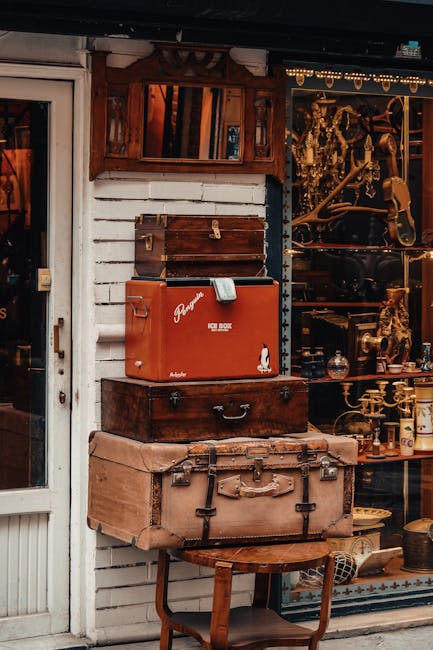
Why Fragile Antiques Matter During a Knightsbridge Move
Antiques are not just "old furniture." They can be structurally weaker, more sensitive to vibration, and much less forgiving than modern pieces. A table that looks solid may have fragile joinery. A cabinet that has lasted for decades may have veneer that lifts with the slightest knock. Even decorative items that seem sturdy can have hidden weak points around handles, gilded edges, feet, or repaired sections.
Knightsbridge removals also tend to involve properties with awkward access, tight staircases, busy roads, concierge rules, lift bookings, and limited loading space. That combination raises the risk. Truth be told, it is often not the long journey that causes damage; it is the first few metres out of the room, the corridor turn, or the final lift into the van.
There is another reason this matters: antiques often carry emotional value that exceeds the price tag. A family sideboard passed down three generations is not something you casually replace. That is why a move involving fragile antiques deserves more attention than a standard furniture job, even if the rest of the house move is perfectly ordinary.
If you are also planning a broader household relocation, it may help to review the wider approach on house removals in Knightsbridge and the practical packing advice on packing and boxes for Knightsbridge moves. Those pages sit neatly alongside the antique-specific planning you are doing now.
How Fragile Antique Removals Are Handled
The best way to think about antique moving is as a process, not a single task. Safe handling starts before a box is touched. A careful removal plan usually follows five stages: assess, prepare, pack, load, and protect in transit.
1. Assess the item properly
Before anything moves, identify what makes each piece fragile. Is it glass? A loose leg? Marquetry? Cracked glaze? A repaired frame? Some damage is obvious, some is not. A small wobble in a chair or a faint hairline crack in a ceramic vase can become much worse if the item is lifted from the wrong point.
For delicate items, it is wise to photograph their condition before packing. Not because you expect trouble, but because clear records help everyone stay on the same page. A quick phone photo in natural light is often enough.
2. Choose the right packing method
Antiques usually need a mix of wrapping, cushioning, and rigid support. Soft wrapping alone is rarely enough. A framed picture may need corner protection and a stiff board backing. A mirror may need taped glass protection and a custom-sized box. A ceramic lamp might need the shade packed separately and the base wrapped with layered cushioning.
Sometimes the best option is not to dismantle a piece if the joints are already weak. Other times, removing shelves, drawers, or detachable feet reduces movement and lowers the chance of breakage. It depends on the item, which is why a one-size-fits-all method does not really work here.
3. Load for stability, not convenience
In the van, antiques should be placed where they are least likely to shift. That means away from heavy appliances, away from loose boxes that can slide, and away from anything with sharp corners. Padding, strapping, and sensible stacking order matter a lot. A beautiful but delicate console table should never be treated like a box of books. Obvious, yes. Yet that is exactly the sort of mistake that happens when a move is rushed.
4. Drive with movement in mind
London roads are not always kind to fragile loads. Speed bumps, turns, braking, and stop-start traffic all create vibration. The aim is to reduce movement inside the van as much as possible before the vehicle even leaves the street. A well-packed van tends to feel quieter and more controlled. You can almost hear the difference, especially on a cold morning when the roads are still and everything else feels sharp.
5. Unpack carefully and inspect
On arrival, fragile antiques should be unloaded first or at least early in the process, depending on access and layout. Then each item should be checked before the packing materials are discarded. That final inspection is not dramatic, but it is essential. A tiny chip found immediately is far easier to discuss and document than one discovered after the move is "done."
Key Benefits and Practical Advantages
Taking antique protection seriously gives you more than peace of mind. It saves time, reduces the chance of claims disputes, and protects items that may be impossible to replace exactly.
- Lower breakage risk: The right materials and handling methods reduce knocks, pressure damage, and vibration damage.
- Cleaner move-day workflow: When fragile items are labelled and prioritised, the entire crew works more efficiently.
- Less stress: You are not constantly wondering whether a box contains something irreplaceable.
- Better accountability: Clear inventory notes and photos create a straightforward record of condition.
- More suitable vehicle loading: Antiques can be placed where they are most stable instead of squeezed in wherever there is space.
There is also a hidden benefit people often miss: a proper antique packing approach helps protect surrounding items too. When fragile pieces are well managed, the entire load tends to be calmer and better balanced. The move just feels more organised. And honestly, that calm matters.
For larger or more ornate pieces, a specialist service can be especially helpful. If your antiques are part of a broader furniture move, you may want to look at furniture removals in Knightsbridge or, where appropriate, piano removals in Knightsbridge for heavier, more sensitive items that need particular handling.
Who This Is For and When It Makes Sense
This topic matters if you own antique furniture, collect decorative objects, inherit family pieces, or are moving from a period property with older fittings. It also matters if you are simply not sure how fragile something is. To be fair, many antiques do not look especially delicate until you examine them properly.
You will benefit most from this guidance if you are:
- moving a house with heirlooms or inherited furniture
- relocating from a Knightsbridge apartment with tight access
- storing antiques temporarily before completion or renovation
- moving items that have been repaired, restored, or re-glued
- handling mixed loads that include antiques alongside standard household goods
It also makes sense if you are comparing removal options and trying to decide whether a standard van service is enough. Sometimes it is. Sometimes it is not. A smaller job may suit a simple man and van service in Knightsbridge, but fragile antiques often deserve a more controlled plan, especially when there are multiple pieces or access challenges.
Knightsbridge is a busy, high-density part of London, so even a short move can be deceptively complicated. If you have ever tried to carry a mirror through a narrow hallway while a door keeps swinging shut behind you, you know the feeling. It is not glamorous. It is just awkward.
Step-by-Step Guidance
Step 1: Make a detailed item list
Write down each antique or fragile item, including size, material, and any existing damage. Group them by type: wood, glass, ceramics, framed art, lamps, collectibles, and anything especially awkward or oversized.
Step 2: Separate what needs special handling
Not every old item needs bespoke packing, but many do. Separate items that are fragile, top-heavy, oddly shaped, or valuable enough to justify extra protection. A side table with one loose leg should be treated differently from a sturdy chest of drawers.
Step 3: Prepare the packing area
Choose a clean, dry space with enough room to work. Dust and grit matter more than people think. Old varnish, polished surfaces, and glass can pick up marks very easily if packing happens on a dirty floor or on top of a rough blanket.
Step 4: Use layered protection
Use soft wrapping first, then cushioning, then a rigid outer layer where needed. The exact combination depends on the item. For example:
- glass: wrap, corner protect, and box securely
- wooden antiques: protect edges and vulnerable joints
- ceramics: cushion fully and avoid empty space in the box
- framed artwork: use surface protection plus stiff backing
- mirrors: reinforce and keep vertical if possible
Step 5: Label clearly and honestly
Labels should say what is inside, which way up it should be carried, and whether it should be unloaded first. If a box contains multiple small fragile items, label that too. A plain box with no marking is asking for trouble. Maybe not today, but eventually.
Step 6: Load with a plan
Place heavier, more stable goods first and keep antiques where they will not be crushed. Use straps and padding to prevent shifting. Avoid stacking anything heavy on top of delicate boxes. That part should be non-negotiable.
Step 7: Reassemble and inspect at destination
Once delivered, inspect all items before removing protective layers. If anything appears loose or damaged, note it immediately. If the item was dismantled, reassemble it gently and only if it is safe to do so.
Expert Tips for Better Results
In our experience, the best antique moves are not the most dramatic ones. They are the quiet, methodical ones. The team has already agreed what goes first, what stays vertical, which corridor turn is awkward, and which item should never be left near a heavy box of crockery.
- Do a pre-move walkthrough: Measure doors, stairs, lifts, and turning points. This is especially useful in Knightsbridge flats and mansion blocks.
- Use proper corner and edge protection: Most antique damage starts at the weak points.
- Keep original packaging where possible: If you still have a maker's box or custom case, that can be valuable.
- Do not overwrap delicate finishes: Some surfaces can be marked by rough or sticky materials.
- Pack small loose parts separately: Keys, shelves, handles, and feet can go missing very easily.
- Ask about insurance before moving day: Coverage matters, but only if you understand what is and is not included.
- Move on a less rushed schedule: If you can avoid squeezing antique handling into a same-day scramble, do it.
One practical note: if a valuable item feels too awkward to manage in one piece, storage may be the safer choice for a short period. A controlled handover into storage in Knightsbridge can be a sensible bridge between properties, especially during renovations or delayed completions.
If your move involves a tight window or you are worried about timing, it is worth reading about common delays for same-day removals in Knightsbridge. Antique handling and rushed schedules do not always get along. Not at all.
Common Mistakes to Avoid
Most antique damage comes from avoidable errors, not bad luck. That sounds harsh, but it is useful to know.
- Using one wrap layer and hoping for the best: Thin protection is not enough for anything brittle or ornate.
- Failing to check existing damage: A small fault can worsen if no one notices it before packing.
- Mixing antiques with heavy general loads: A delicate box should not sit under a stack of books or kitchenware.
- Ignoring access problems: A beautiful item can be damaged simply while trying to get it round a corner.
- Leaving loose parts attached: Handles, mirrors, shelves, and decorative feet can snap off.
- Assuming all removals companies handle antiques equally well: They do not. Experience varies a lot.
- Skipping insurance questions: You do not want to discover limitations after the fact.
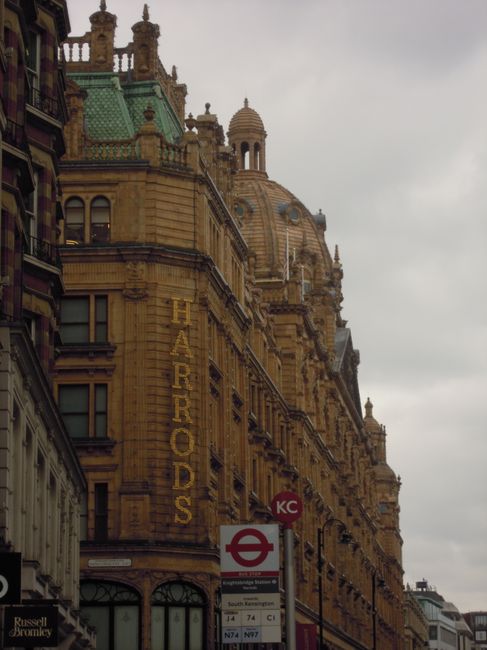
One of the sneakiest mistakes is underestimating the building itself. Knightsbridge properties can involve narrow shared hallways, awkward basement access, concierge rules, or parking restrictions that create pressure on the move. If you are dealing with tricky access, the advice in tight access jobs in Knightsbridge is especially relevant.
Tools, Resources and Recommendations
You do not need a warehouse full of specialist gear, but you do need the right basics. Most fragile antique moves benefit from:
- acid-free or soft wrapping materials where suitable
- double-walled boxes for fragile smaller items
- corner protectors for mirrors, art, and frames
- padded blankets for larger furniture
- straps and ties for securing the load
- labels and marker pens for clear identification
- clean gloves when handling delicate finishes
- dust covers for items going into temporary storage
For many people, the most useful resource is simply a service that can combine packing, loading, and transport in one joined-up plan. If you are comparing providers, a general services overview can help you understand what kind of support is available, while removal services in Knightsbridge can give you a broader sense of the options available for homes, flats, and specialist items.
You may also want to review insurance and safety information before deciding how much risk you are comfortable carrying yourself. That is the sort of page people skip until something gets bumped. Then suddenly it becomes very interesting.
Law, Compliance, Standards, or Best Practice
With antiques, there are a few areas where good practice matters even when no one is waving a legal document at you. The most important are duty of care, insurance clarity, and honest description of item condition.
In the UK removals sector, reputable firms generally work to sensible standards around safe handling, manual lifting, and vehicle loading. You do not need to know every technical rule to benefit from them, but you should expect a company to take risk assessment seriously, especially for awkward or valuable items. If a mover seems casual about that, it is fair to pause.
From a customer perspective, it helps to be clear about:
- what items are fragile or high-value
- what is already damaged before the move
- whether items need dismantling
- whether the route has tight corners, stairs, or lifts
- what cover applies if something is accidentally damaged
If you are choosing between providers, transparency matters more than glossy language. Pages like removal companies in Knightsbridge, terms and conditions, and complaints procedure can tell you a lot about how a company handles expectations, accountability, and aftercare. Not exciting reading, sure, but useful.
And if your move involves premium items, it is sensible to clarify payment, booking, and security arrangements early as well. A straightforward booking process is usually a good sign, not a boring one.
Options, Methods, or Comparison Table
Different antique moves call for different levels of support. The right choice depends on value, fragility, access, and how much you want to manage yourself.
| Method | Best for | Strengths | Watch-outs |
|---|---|---|---|
| Self-packing with standard boxes | Small, lightly fragile items | Cost-effective and flexible | Higher risk if packing is rushed or materials are poor |
| Professional packing plus transport | Mixed fragile antiques, heirlooms, and decorated pieces | Better protection, clearer handling plan | May cost more than basic transport |
| Specialist item service | Pianos, oversized antiques, delicate art, or unusually valuable pieces | Focused handling and equipment | Not always necessary for simpler items |
| Temporary storage first | Moves with delays, renovations, or staging | Reduces pressure on moving day | Requires good labelling and packing for storage conditions |
As a rule, the more fragile or valuable the item, the less sense it makes to improvise. If you are moving a mixed household load, it can be sensible to combine specialist handling for the antiques with a broader removals service in Knightsbridge for everything else. That keeps the move efficient without treating every object the same.
Case Study or Real-World Example
Imagine a couple moving from a Knightsbridge flat near a busy road with a lift that is booked in short slots. They own a Georgian side table, two gilt-framed mirrors, several ceramic lamps, and a family cabinet with one repaired hinge. Nothing is wildly oversized, but every item has a weak point somewhere.
Instead of packing everything on the morning of the move, they sort the items two days earlier. They photograph condition, label each item, remove loose shelves, and set aside the most delicate pieces for first-load transport. One mirror is wrapped and boxed upright. The cabinet is padded at the corners and handled by two people at all times. The lamp shades travel separately from the bases. Sensible, nothing flashy.
On moving day, the crew starts with the antiques before the rest of the furniture becomes a wall of boxes. The van is loaded so the fragile items sit secure and isolated. There is a tiny hiccup when the hallway turn is tighter than expected. That happens. But because the route had been checked earlier and the team already knew which item needed extra clearance, they adjust without drama.
The result is not that the move feels magical. It just feels controlled. And in antique removals, controlled is the word you want. Not perfect. Controlled.
Practical Checklist
Use this checklist before moving fragile antiques in Knightsbridge:
- List every fragile or valuable item
- Photograph condition from more than one angle
- Check for loose joints, cracks, chips, or repairs
- Measure doors, stairs, lifts, and tight turns
- Choose suitable wrapping, cushioning, and box sizes
- Separate detachable parts and label them clearly
- Mark items that must stay upright
- Confirm how items will be loaded into the van
- Ask what insurance or cover applies
- Decide whether any items should go into temporary storage
- Keep documents, keys, and important notes in one place
- Inspect everything on arrival before discarding packing materials
Expert summary: the safest antique move is usually the one that looks slightly over-prepared from the outside. That is fine. Over-prepared beats sorry, every time.
Conclusion
Fragile antiques need respect, patience, and a move plan that accounts for the real world: narrow entrances, heavy traffic, awkward furniture angles, and the fact that older items simply do not tolerate rough handling. If you remember nothing else, remember this: protect the item first, move it second, and trust the process only when the process is actually solid.
That is the heart of what to know about fragile antiques for Knightsbridge removals. Assess carefully, pack properly, communicate clearly, and do not rush the delicate bits just because the rest of the day feels busy. A good move should leave you relieved, not rattled. And the best antique moves, honestly, are often the quiet ones.
If you are planning a move and want guidance tailored to your property, the safest next step is to speak with a team that understands both local access and fragile item handling.
Get a free quote today and see how much you can save.